 Join our BBQ community
 eGift card




Direct vs Indirect Heat Grilling: Why It Matters for Kamado Users
When using a Kamado grill, mastering the difference between direct and indirect heat is essential. Each method offers distinct benefits and is ideal for different types of food and cooking styles. In this article, we’ll break down what each method means, when to use them, and how to control heat zones on your ceramic grill.
What Is Direct Heat Grilling?
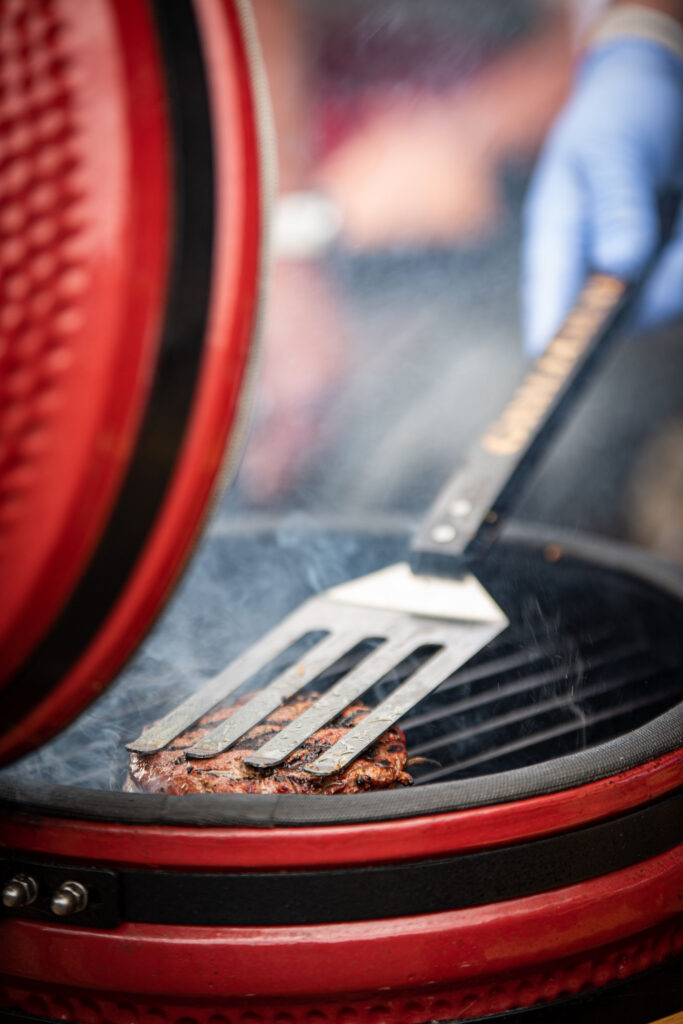
Direct heat grilling means cooking food directly above the charcoal. This method delivers high, immediate heat that’s ideal for foods that cook quickly—like burgers, steaks, chicken wings, and vegetables. The intense heat sears the outside while keeping the inside juicy.
- 🔥 Best for: Thin cuts of meat, burgers, sausages, kebabs, vegetables
- 🔥 Typical temperature: 200–300°C (392–572°F)
- 🔥 Time: Short cooking times (usually under 20 minutes)
What Is Indirect Heat Grilling?
Indirect heat means placing food away from the direct charcoal flame. In Kamado grills, this usually involves using a heat deflector or setting up a two-zone cooking system. Indirect heat works like an oven, slowly cooking food with circulating heat. It’s ideal for roasting or smoking.
- Best for: Whole chicken, brisket, ribs, large cuts of pork or beef, pizza (with a baking stone)
- Typical temperature: 120–180°C (248–356°F)
- Time: Longer cooking times (1+ hour)
Why Kamado Grills Are Perfect for Both
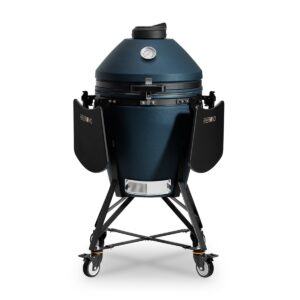
Kamado grills like Kamado Bono are incredibly versatile. Thanks to their ceramic insulation and airtight design, you can easily switch between high-heat searing and low-and-slow smoking.
Here’s why Kamado grills excel in both:
- Ceramic body retains and distributes heat evenly
- Adjustable air vents help fine-tune temperatures
- Heat deflectors allow effortless conversion to indirect cooking
How to Set Up Direct and Indirect Heat Zones
With Kamado Bono grills, it’s easy to control your heat setup:
For Direct Heat
- Remove the heat deflector
- Place your food directly on the grate above the hot charcoal
- Open the top and bottom vents to increase temperature
For Indirect Heat
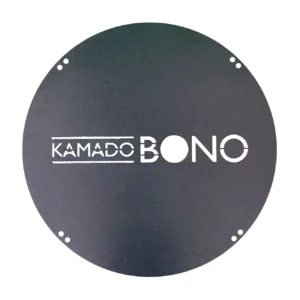
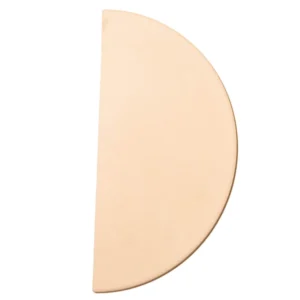
- Insert the heat deflector or ceramic plates
- Place food on the grate above the deflector
- Close vents partially to maintain lower, steady temperature
Combination Cooking: The Best of Both Worlds
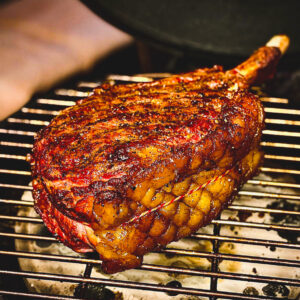
Many dishes benefit from using both methods. For example, you can start a thick steak with indirect heat to cook the inside evenly, then finish it over direct heat for a perfect sear. Or sear ribs first, then slow-cook them with indirect heat and smoke for extra tenderness.
Final Tips
- Use a thermometer to monitor grill and food temperature
- Invest in a baking stone or heat deflector for better indirect cooking
- Adjust airflow to control heat – more air = higher temps
Want to Learn More?
Explore our guide on how to control temperature in a Kamado or check out Kamado accessories to upgrade your grilling setup.